

There is a specific kind of morning hunger that demands fluffy sweetness without the subsequent carb coma crash. We’ve all been there: staring longingly at diner French toast, knowing it betrays our goals. Finally, you can ditch the regret and embrace the glorious stack.
Welcome to the era of theAnabolic Protein French Toast—a bodybuilding breakfast disguised as dessert. It’s light, ridiculously tasty, and engineered to fuel your day without feeling like you ate a sugar factory.
- This recipe delivers a massive protein punch, transforming a traditional decadent breakfast into a guilt-free, muscle-building meal.
- The simple preparation process requires minimal active time, making it the perfect quick fix for busy weekday mornings or essential meal prepping.
- It boasts a light, fluffy texture and rich vanilla flavor that satisfies intense cravings, proving healthy food can truly taste incredible.
- Extremely versatile, this toast foundation pairs wonderfully with fresh fruits, sugar-free syrups, or a dollop of high-protein yogurt for endless variety.
The Quest for the Ultimate High-Octane Breakfast
For years, breakfast was a battlefield. On one side, you had the quick, boring egg whites, and on the other, the sugar-laden pastries that tasted amazing but left you sluggish by 10 AM. We desperately needed a champion, a culinary hero that could successfully marry the comfort of weekend brunch with the strict macro goals of a seasoned athlete. The truth is, I almost gave up. My initial experiments resulted in something resembling wet cardboard, smelling suspiciously of burnt plant-based protein powder and intense desperation. My roommate threatened to install a commercial-grade exhaust fan just for my attempts at “healthy baking,” fearing for his olfactory senses.
The core challenge with engineering high-protein breakfasts is always the resulting texture. When you overload the batter with scoops of powder, the result is often dense, dry, and utterly disappointing, resembling a sponge that has seen better days. Traditional French toast relies heavily on sugar and fat for flavor and structure, components we needed to minimize drastically to meet our fitness goals. After countless failed attempts involving nearly every type of protein powder known to humanity—from soy protein sludge to pea protein grit—I finally realized the magic wasn’t just in the powder; it was strategically located in the precise ratio and the dipping technique. This recipe uses specific liquids and natural binding agents to create that coveted airy interior and golden, slightly crispy exterior, giving you the joy of real French toast without the persistent guilt or the inevitable gut bomb.
Mastering the Batter: Tips for Perfecting the Protein Blend
The secret weapon in successfully achieving this fluffy texture is efficiently managing moisture absorption and using strategic thickeners. Forget the common advice of mixing your powder directly into cold milk; that approach invariably creates annoying lumps that will haunt your culinary dreams. Instead, we activate the protein powder first with a small amount of liquid, forming a very smooth, thick paste before integrating the rest of the wet ingredients. This critical step is absolutely crucial for eliminating that characteristic grainy texture often sadly associated with rushed fitness recipes.
We must also select our bread strategically. While brioche is undeniably delicious, indulging in it is not the goal here. Opt instead for a slightly denser bread, such as Texas toast or extra thick-cut whole grain slices, which possess the structural integrity necessary to absorb the thick protein batter without completely disintegrating entirely before it even has a chance to hit the griddle. Remember, the slice of bread is merely the sturdy vehicle for the delicious, highly protein-packed coating. Another common and easily avoided mistake is skimping on the critical components of vanilla and cinnamon. Since we drastically reduce added sugars, spices suddenly become your Flavor MVP—your Most Valuable Player. They expertly trick your brain into thinking you are indulging in something far sweeter and more decadent than you actually are. A generous splash of pure vanilla powder and a heavy, intentional dusting of cinnamon successfully elevate the entire flavor profile, effectively masking the slight bitterness some zero-calorie sweeteners or protein powders sometimes possess. If you choose to use flavored protein, adjust your extract accordingly to avoid clashing notes. For instance, if you are using chocolate protein powder, perhaps skip the cinnamon entirely and instead add a sophisticated pinch of fine espresso powder. The goal is balanced, strategic indulgence, not confusing flavor chaos. Achieving the perfect stack ofAnabolic Protein French Toastconsistently requires patience, precision, and plenty of quality spices.
Ingredients for Anabolic Protein French Toast
Here’s what you’ll need to make this delicious dish:
- Thick-Cut BreadChoose day-old sourdough or Texas toast; the slightly stale bread absorbs the protein batter better without falling apart during the crucial cooking process.
- High-Quality Plant-Based Protein Powder or Soy Protein Blend Protein PowderVanilla or unflavored works best to maintain versatility, efficiently providing the bulk of the muscle-building component required.
- Egg Whites or Whole EggsEggs act as the primary binder and necessary leavening agent, ensuring the toast structure holds up during grilling while adding substantial extra protein content.
- Unsweetened Almond Milk or Skim MilkUsed as the main liquid base for the batter; start small and add gradually to achieve a thick, ideal coating consistency.
- Ground Cinnamon and NutmegEssential spices that provide warmth and depth, significantly enhancing the perceived sweetness without adding unnecessary caloric load.
- Vanilla PowderUse pure extract for the absolute best flavor; it consistently brightens the entire dish and pairs perfectly with the cinnamon and chosen sweetener.
- Zero-Calorie Sweetener (Granulated or Liquid)Adjust according to your specific taste preference; stevia, erythritol, or monk fruit are excellent choices to maintain the low-sugar profile.
The full ingredients list, including measurements, is provided in the recipe card directly below.
How to Make Anabolic Protein French Toast
Follow these simple steps to prepare this delicious dish:
Step 1: Preparing the Custard Batter
In a shallow bowl that is wide enough to comfortably dip the bread, combine the protein powder, cinnamon, nutmeg, and zero-calorie sweetener. Gradually whisk in the milk until a thick, smooth paste forms, ensuring there are absolutely no lingering lumps. Then, vigorously whisk in the egg whites and vanilla powder thoroughly until the resulting mixture truly resembles a creamy, slightly thick custard. This specific consistency is absolutely vital for coating the bread properly without excessive dripping.
Step 2: Preheating the Griddle
Place a large nonstick griddle or a heavy-bottomed skillet over consistent medium heat. Let it warm up thoroughly for about five minutes until a small drop of water quickly sizzles and evaporates completely. Lightly spray the entire cooking surface with a neutral cooking oil spray, like avocado or canola, to efficiently prevent sticking and promote the development of a beautiful, golden crust.
Step 3: Soaking the Bread
Dip each individual slice of bread into the protein custard, ensuring that both sides are fully and evenly coated. Do not oversoak the bread; the primary goal is moist, complete coverage, not saturation, which would unfortunately lead to soggy French toast. A very quick dip of about 5 to 10 seconds per side is usually more than sufficient for those thicker-cut pieces of bread.
Step 4: Cooking the French Toast
Carefully place the soaked bread slices onto the meticulously preheated griddle surface. Cook them patiently for 3 to 4 minutes per side, or until they achieve a deep, appetizing golden brown color and the exterior feels reassuringly slightly crisp. If the outside browns too quickly before the inside sets, immediately reduce the heat slightly to ensure the interior is fully cooked through and the protein batter is completely set and safe to eat.
Step 5: Finishing and Serving
Transfer the piping hot, cooked slices immediately to a wire cooling rack to expertly prevent steaming and to successfully maintain crispness while you efficiently finish the remainder of the batch. Stack them elegantly high for the best visual presentation. Transfer the finished stack to plates and drizzle generously with sugar-free maple syrup and a handful of fresh mixed berries for the perfect, muscle-building finishing touch.
Nutritional Powerhouse and Smart Substitutions
What truly sets theAnabolic Protein French Toastapart from its lesser counterparts is its incredible, tailored macro profile. Unlike traditional breakfast recipes where the carbohydrate and fat content consistently dominate the count, this dish specifically prioritizes lean protein, making it undeniably ideal for efficient muscle repair and long-lasting satiety. By carefully utilizing egg whites and high-quality protein powder, we strategically maximize the P-ratio (protein to calorie ratio) without compromising at all on essential flavor or enjoyable texture. Many individuals unfortunately fail on rigorous diet plans because they assume that healthy eating is synonymous with boring, bland eating. This robust and exciting recipe definitively proves that you can effectively fuel your ambitious fitness goals while wholeheartedly enjoying your meals throughout the week.
Avoiding the Soggy Bread Trap
Sogginess is universally recognized as the greatest enemy of exceptional French toast, and it’s an especially challenging factor when working with a thick, protein-heavy batter that retains moisture. The secret to success is two-fold: meticulous bread choice and careful management of cooking heat. As mentioned previously, always use bread that is slightly firm—soft white bread will inevitably turn into an undesirable, mushy mess. Furthermore, ensure that your griddle temperature is maintained at a consistent medium heat setting. If the heat is too low, the toast will regrettably stew in its own moisture, resulting in a damp interior. If the heat is unfortunately too high, the outside burns severely before the inside protein batter has a chance to fully set. Use a reliable food thermometer if necessary to ensure the griddle surface is consistently positioned around 325°F (160°C) for optimal texture results.
Serving Suggestions and Flavor Variations
While the classic cinnamon-vanilla version outlined above is always reliable and foolproof, this recipe effectively serves as a perfect blank canvas for endless flavor creativity and experimentation. If you are specifically craving a vibrant, fruity twist, consider swapping out half of the almond milk for natural, unsweetened apple juice (ensuring it is not from concentrate) and using a crisp, apple-cinnamon flavored plant-based protein powder powder. Top this variation with thinly sliced fresh apple pieces and a generous sprinkle of powdered monk fruit sweetener for a bright, refreshing breakfast that feels distinctly autumnal.
For a truly decadent dessert-like meal that still adheres to your macro plan, try a ‘Caramelized Banana’ inspired version. Use a salted caramel or plain vanilla protein powder in the batter. Once cooked, top the toast with quickly caramelized banana slices and a light, compliant drizzle of sugar-free caramel sauce. Remember, small, targeted indulgences are essential to keep the recipe sustainable while fully satisfying specific cravings. Another highly successful and delicious option is to explore the savory route: skip all the sweetener and vanilla powder, add garlic powder, dried oregano, and a pinch of black pepper to the batter, and top the finished toast with perfectly scrambled egg whites and a comforting sprinkle of low-fat cheese or fresh garden herbs. Versatility ensures this dish remains a fixture in your crucial weekly meal rotation.
Troubleshooting the Perfect Slice
Sometimes, even with the absolute best intentions and meticulous measurements, culinary things still go awry. If your finished toast seems slightly rubbery or overly firm, it is usually a clear sign of either too much protein powder relative to the liquid volume, or the heat was simply too high, causing the eggs and protein to cook excessively fast. Correct this issue easily by adding just a splash more milk or water to thin the batter slightly next time. If your toast is falling apart during the flipping process, the bread used was likely too thin or perhaps too fresh and soft. Lightly toasting the bread in a dry pan for a few minutes before dipping can significantly help to increase its crucial structural integrity if you are working with softer loaves. Finally, never rush this essential process. Let the toast cook fully and patiently until it releases easily and cleanly from the griddle surface. This specific sign ensures that the protein matrix is fully set, reliably resulting in that perfect, fluffy slice every single time.
By following these specific, targeted steps and carefully maintaining control over your ingredient ratios and cooking temperatures, you can consistently produce glorious, satisfying stacks of high-protein breakfast goodness. Say goodbye to years of boring meal prep and heartily say hello to your new favorite performance-enhancing morning routine. Enjoy every single muscle-friendly, incredibly delicious bite of this new breakfast staple.
The Accidental Discovery of Sunshine on a Plate

I was deep into my “eat huge, lift heavy” phase, tired of rubbery eggs. I tried blending cottage cheese and protein powder into the batter. The result? A perfectly fluffy, high-protein breakfast that tasted like a cheat meal, proving that building muscle could, in fact, be absolutely delicious.
We all know the struggle. You are committed to your fitness goals, tracking macros like a professional accountant, but your soul screams for something satisfying that doesn’t taste like cardboard mixed with regret. Mornings often force us to choose between speed (shaking up a standard protein drink) and flavor (a sugary, traditional breakfast). This dilemma fueled my obsession to create the ultimate morning meal that delivers massive protein without sacrificing the joy of eating. I needed a breakfast superhero, and that’s how the idea for the ultimate high-protein French toast was born.
Traditional French toast is delicious, yes, but often relies heavily on fat and simple carbohydrates, leaving you hungry an hour later. My version, however, uses specific techniques and ingredient swaps to pack in the necessary structural protein. By blending protein powder and cottage cheese into the egg wash, we create an incredibly thick, nutrient-dense coating. When cooked, this coating caramelizes beautifully, locking in moisture and delivering a texture that is simultaneously soft inside and slightly crunchy outside. It’s the kind of breakfast that tastes like you’re cheating, but your daily macro tracker confirms you are undeniably winning.
Ingredients for Anabolic Protein French Toast
Before you dive headfirst into the batter, ensure you have quality bread. Thickness matters here; a thin slice will simply disintegrate under the weight of the robust protein batter. Aim for bread that can stand up to a championship soaking, like thick-cut brioche or Texas toast, and you will be setting yourself up for success.
- 4 thick slices of bread (brioche or Texas toast recommended for texture)
- 1 large scoop (about 30g) vanilla or neutral flavored protein powder
- 1/2 cup liquid egg whites (or 3 whole eggs)
- 1/4 cup plain cottage cheese (low-fat or non-fat)
- 1/4 cup almond milk (or milk of choice)
- 1 teaspoon vanilla powder
- 1/2 teaspoon ground cinnamon
- Pinch of nutmeg (optional, but highly encouraged)
- Spray oil or light butter alternative for cooking
- Toppings: Sugar-free maple syrup, fresh berries, or sliced bananas
Step-by-Step Guide to Maximum Fluffiness
Preparing the High-Protein Batter
Forget the standard milky egg wash. We are building a fortress of flavor here. In a medium bowl, combine the protein powder, cottage cheese, egg whites, almond milk, vanilla powder, cinnamon, and nutmeg. Use an immersion blender or a whisk to mix thoroughly until the cottage cheese lumps disappear and the batter is smooth and slightly thick. This thickness is crucial—it’s what separates good French toast from great high-protein French toast. If you leave lumps of cottage cheese, you risk uneven cooking and a gritty final product, which nobody wants in their morning routine.
The Perfect Soak
Heat your griddle or non-stick pan over medium heat, applying a generous spray of cooking oil. Now, the soaking process is key. Quickly dip each slice of bread into the protein batter, ensuring both sides are coated but not completely saturated (about 15 seconds per side). If the bread soaks too long, it will fall apart and result in a soggy disaster. We want it moist, not drowning. When you lift the bread out, the batter should cling to the sides like a thick, creamy coating, ready to caramelize into a golden crust.
Cooking for Golden Glory
Carefully place the soaked slices onto the preheated griddle. Reduce the heat slightly to medium-low. Cook for approximately 3 to 4 minutes per side, or until the exterior is deep golden brown and slightly firm to the touch. Due to the high protein content, the exterior may brown faster, so controlling the heat is essential. If they look too dark too fast, lower the heat immediately. Cooking too quickly means the center remains raw and the exterior burns, wasting that precious protein.
Serving Up the Gains
Once cooked, transfer the golden slices to a plate. If you are serving multiple portions, you can keep the finished pieces warm in an oven set to 200°F (95°C). Drizzle generously with your favorite sugar-free syrup and top with fresh fruit like raspberries or sliced kiwi. You now possess the power of a satisfying meal that simultaneously supports your fitness goals. Enjoy this magnificent muscle-building breakfast that tastes far too indulgent for the nutrition facts it carries.
Perfecting the Cooking Process
The secret to achieving golden perfection is letting the bread soak just long enough—about 15 seconds per side—and cooking low and slow. Get your griddle hot first, then reduce the heat to medium-low to prevent burning the protein crust while ensuring the center cooks fully.
Add Your Touch
Customize this breakfast champion! Swap vanilla powder for a hint of almond or maple. For a chocolate twist, add a teaspoon of cocoa powder to the batter. Top with sliced peaches and a dusting of cinnamon sugar alternative for extra fiber and sweetness.
Storing & Reheating
Store leftover slices in an airtight container in the fridge for up to three days. For the best texture, reheat them in a toaster oven or air fryer at 350°F (175°C) for five minutes. Microwaving is an option, but expect a slightly less crispy exterior.
The first time my brother tried this recipe, he swore I had secretly baked a cheesecake. He couldn’t believe something so delicious was actually part of his preparation diet. It immediately became a weekend staple.
Insider Tips for Flawless French Toast
- Use stale or slightly dried bread for dipping; it holds its shape better and absorbs the thick protein batter without becoming mushy during cooking.
- If your batter gets too thick mid-batch, add one tablespoon of almond milk at a time until it reaches the ideal consistency for easy dipping.
- Do not skip the nutmeg—it provides a deep warmth that counteracts the slight chalkiness that some protein powders can sometimes introduce.
Conclusion for Anabolic Protein French Toast
Mastering this high-protein French toast recipe means unlocking a breakfast that satisfies both your sweet tooth and your macro requirements. We combined simple ingredients with smart techniques—like utilizing cottage cheese for structure and precise cooking times—to achieve unmatched flavor and texture. This Anabolic Protein French Toast is more than just fuel; it’s proof that prioritizing muscle gain does not require sacrificing the simple pleasures of a truly wonderful meal. Whether you are fueling up for a heavy gym session or simply craving a delicious morning treat, this recipe is guaranteed to become a dependable favorite in your routine. Stop compromising taste for results and start enjoying breakfast again.
Print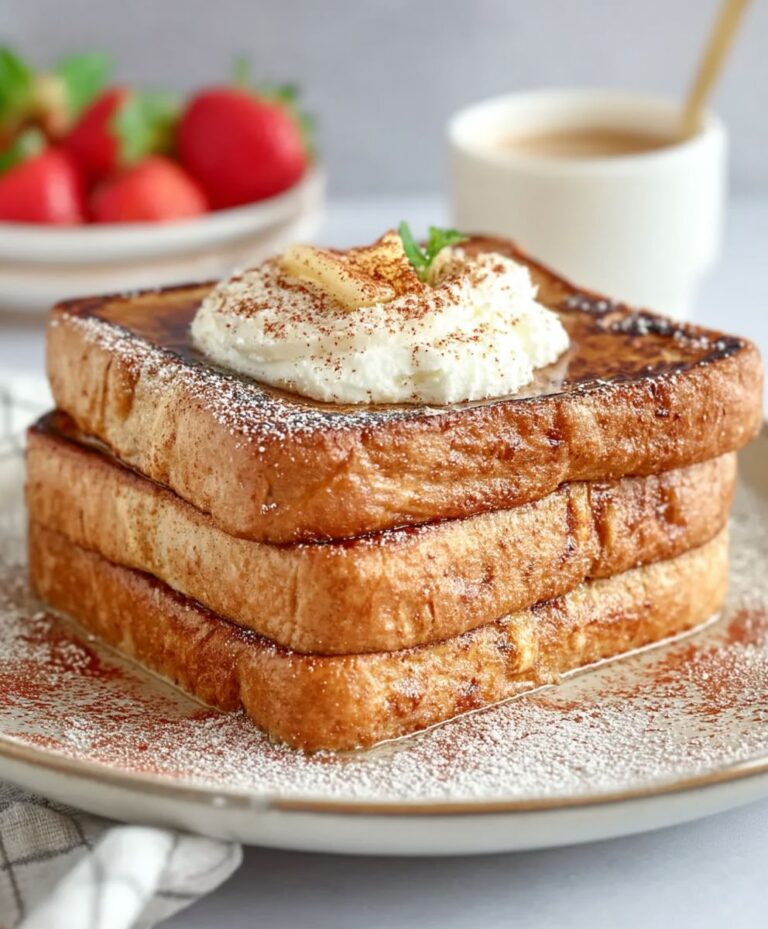
Anabolic Protein French Toast
Maximize morning gains! This low-carb, high-protein French Toast uses a perfectly smooth, lump-free protein batter (soy/pea blend). Quick skillet method ensures speed.
- Total Time: 35 minutes
- Yield: 4 servings 1x
Ingredients
- 4 slices Low-Calorie Bread (e.g., 647, Ezekiel, or high-fiber bread)
- 1 scoop (approx. 30g) Vanilla or Unflavored Protein Powder (Soy Protein or Pea Protein/Soy Protein blend works best)
- 1/2 cup Liquid Egg Whites
- 1/4 cup Unsweetened Almond Milk (or water)
- 1 teaspoon Ground Cinnamon
- 1/2 teaspoon Alcohol-Free Vanilla Extract
- 1 packet Zero-Calorie Sweetener (e.g., Stevia or Monk Fruit, optional)
- Non-stick cooking spray (as needed)
Instructions
- Step 1: Combine the protein powder, liquid egg whites, almond milk, cinnamon, vanilla bean paste, and sweetener (if using) in a shallow bowl or dish wide enough to fit the bread. Whisk the mixture vigorously until the batter is completely smooth and lump-free.
- Step 2: Preheat a non-stick skillet or griddle over medium heat. Lightly coat the cooking surface with non-stick cooking spray.
- Step 3: Quickly dip each slice of bread into the protein batter, ensuring both sides are fully coated. Do not soak the bread for too long (5-10 seconds per side is sufficient) to prevent it from falling apart.
- Step 4: Place the battered bread slices onto the hot griddle. Cook for 3 to 4 minutes per side, or until the exterior is deeply golden brown and the center is cooked through (the toast should feel firm).
- Step 5: Remove the cooked Anabolic Protein French Toast from the skillet. Serve immediately with zero-calorie syrup, fresh berries, or a dusting of powdered sweetener, if desired.
Notes
- If the protein batter thickens while you cook, simply whisk in a teaspoon of water or almond milk to restore the perfect dippable consistency for the remaining slices.
- Avoid the microwave; reheat leftover slices for 3-5 minutes in a toaster oven or air fryer set to 300°F (150°C) to perfectly crisp the edges again.
- Leftovers are ideal for high-protein meal prep; store completely cooled toast in a sealed container in the fridge for up to 3 days.
- For an extra protein boost, top the finished toast with a dollop of sweetened high-protein Greek yogurt instead of relying solely on syrup.
- Prep Time: 15 minutes
- Cook Time: 20 minutes
- Method: Stovetop
- Cuisine: American
Nutrition
- Serving Size: 4 slices (cooked) with syrup
- Calories: 365
- Sodium: 480mg
- Fat: 3.5g
- Saturated Fat: 1.0g
- Trans Fat: 0.0g
- Protein: 4g


Leave a Comment