

I remember the great “Cookie vs. Macro” wars of my early fitness days, always losing because nothing satisfied the craving and fit the spreadsheet simultaneously. Finally, I cracked the code and developed the ultimateProtein Greek Yogurt Cookie Recipe: Soft, Chewy, and Packed with Gains!Forget the chalky, dry protein bricks masquerading as cookies; these beautiful treats are revolutionary and shockingly easy to make.
If you have ever felt personally victimized by a rock-hard protein bar, prepare for sweet, fluffy, and guilt-free redemption. We are about to bake cookies that taste like they should absolutely be illegal on a fitness journey.
- Achieve an impossibly soft and chewy center thanks to the magic moisture delivered by the thick, creamy Greek yogurt working its hydration wonders.
- The flavor profile is incredibly versatile, allowing you to swap in various extracts, warm spices, or sugar-free chocolate chips for endless customization possibilities.
- These are incredibly easy to prepare in under 30 minutes of active kitchen time, requiring zero fancy equipment or complicated, advanced baking steps.
- Enjoy a truly guilt-free indulgence that supports muscle recovery, making them the ideal pre or post-workout high-protein snack solution.
The Hilarious Quest for the Perfect Macro-Friendly Treat
For years, my baking attempts resulted in culinary catastrophes that I lovingly nicknamed “hockey pucks.” I was trying to force traditional flour recipes into a high-protein reality, and the results were always dense, crumbly, or so dry they required a gallon of water to swallow. My journey was defined by sacrifice—sacrificing flavor for protein, or sacrificing my macro goals for an actual enjoyable cookie.
The problem, as I finally realized after tossing approximately seven batches of inedible lumps, was twofold: protein powder is incredibly thirsty, and standard cookie fat ratios are often overkill for a lean treat. You need something that provides significant moisture and tang without introducing too many unwanted fats or sugars. This is where the star of our show—humble, powerful Greek yogurt—struts onto the stage.
Greek yogurt acts as a binder, a moisture provider, and, crucially, a silent protein booster. It creates a texture that mimics the richness usually provided by excessive butter, giving you that satisfying, soft interior we all desperately seek in a cookie. When you bite into one of these, you won’t believe they are optimized for your fitness goals. They truly defy the rules of healthy baking. If you have been searching for a healthy way to quiet that afternoon cookie craving without derailing your progress, this is your winning ticket. This recipe ensures that “soft and chewy” are not just wistful dreams but achievable realities in the high-protein world.
The Secret Weapon: Understanding the Role of Greek Yogurt
Using Greek yogurt instead of traditional dairy or excessive butter isn’t just a swap; it’s a structural necessity for achieving the desired softness in this cookie recipe. The yogurt’s high moisture content prevents the protein powder from absorbing all the liquid in the batter instantly, which is the main culprit behind those notorious dry protein cookies. Moreover, the slight acidity in the yogurt interacts beautifully with the leavening agents, resulting in a gentle lift and a tender crumb. When you scoop this dough, you’ll notice it’s thicker and creamier than traditional cookie dough, which is exactly what we want. The high viscosity holds its shape perfectly during baking.
When selecting your Greek yogurt, always opt for plain, nonfat varieties to maximize protein and minimize unnecessary fats and sugars. The thickness matters, too; liquidy yogurt will throw off the consistency and potentially require you to add more flour or protein powder, which defeats the purpose of the careful balance we’ve achieved here. Think of the yogurt as a foundational element, giving structure and chewiness that no amount of liquid sweetener or milk ever could. It’s the binder that keeps the gains packed right into the center of your soft, delightful snack, making every bite worth the effort. Do not substitute it with regular yogurt or traditional sour cream; the thickness is non-negotiable for success in this specific baking endeavor.
Mastering Protein Powder and Avoiding the Brick Syndrome
Not all protein powders are created equal, especially when it comes to baking. If you use a heavy soy protein blend, prepare for a denser, more cake-like outcome. If you use a highly processed isolate, you might end up with a very dry result. For the best, chewiest cookie texture, I strongly recommend a plant-based protein powder/soy protein blend or a high-quality plant-based protein powder concentrate. The flavor of the powder is also crucial; vanilla or unflavored work best, allowing the other spices and extracts to shine. If you use a highly flavored powder—like “Birthday Cake Blast”—it might overpower the delicate balance of the recipe.
A common mistake in protein baking is over-mixing the batter. Once the wet ingredients meet the dry ingredients, mix only until just combined. Overworking the dough develops gluten (even with minimal flour), leading to tough cookies. We are aiming for tender and delicate, not rubbery and robust. Use a rubber spatula rather than an electric mixer for the final combining step to ensure you mix gently and don’t activate the gluten or dry out the protein powder prematurely. Remember, less mixing equals more softness. This simple attention to technique is what separates the culinary heroes from the brick bakers in the world of high-protein treats.
Finally, temperature management plays a surprising role. Cold ingredients matter less here than they do in a standard butter cookie, but ensuring the oven temperature is accurate is vital. Too hot, and the outside burns before the inside sets; too cool, and you end up with flat, spread-out discs. Preheat your oven fully and check the temperature with an internal thermometer if you suspect your oven might be lying to you. Investing in an oven thermometer is the cheapest insurance policy against baking disappointment.
Ingredients for Protein Greek Yogurt Cookie Recipe: Soft, Chewy, and Packed with Gains!
Here’s what you’ll need to make this delicious dish:
- Nonfat Plain Greek YogurtThis is the crucial moisture and protein provider, ensuring the final cookie is soft and tender, not dry.
- Vanilla Protein Powder (Plant-Based Protein Powder/Soy Protein Blend)Use a high-quality powder that you enjoy the taste of, as this heavily dictates the flavor profile and texture.
- Oat Flour or Almond FlourProvides the necessary bulk and structure without adding excessive simple carbohydrates; either finely ground oat flour or blanched almond flour works perfectly.
- Zero-Calorie Granulated SweetenerA erythritol or monk fruit blend helps maintain the structure and provides the sweetness without spiking blood sugar.
- Baking Soda and SaltThe baking soda helps with lift and tenderness, while salt enhances all the sweet flavors dramatically.
- Alcohol-Free Vanilla ExtractUse pure alcohol-free vanilla extract to deepen the flavor profile and provide a classic cookie aroma.
- Egg White or Flax Egg SubstituteActs as a primary binder, helping all the ingredients hold together during the mixing and baking process.
- Unsweetened Almond Milk (Optional)Use a tiny splash if the dough seems too thick, depending entirely on the brand of protein powder utilized.
The full ingredients list, including measurements, is provided in the recipe card directly below.
How to Make Protein Greek Yogurt Cookie Recipe: Soft, Chewy, and Packed with Gains!
Follow these simple steps to prepare this delicious dish:
Step 1: The Preheat and Prep
Preheat your oven to 350°F (175°C). Line a large baking sheet with parchment paper or a silicone baking mat. Preparing your baking surface prevents sticking and ensures easy cleanup, which is always a win after a successful baking session. Gather all your measured ingredients before starting to ensure a smooth, quick process.
Step 2: Combining the Dry Ingredients
In a large mixing bowl, whisk together the oat or almond flour, protein powder, zero-calorie sweetener, baking soda, and salt. Make absolutely sure these dry components are fully combined before adding any wet ingredients. This ensures that the leavening agent is evenly distributed, leading to uniform lift across all your cookies.
Step 3: Integrating the Yogurt and Wet Components
Add the Greek yogurt, alcohol-free vanilla extract, and egg white (or flax egg) to the dry mixture. Using a rubber spatula, gently fold the wet ingredients into the dry ingredients. Mix only until the flour streaks disappear. Overmixing at this stage will guarantee tough, chewy cookies, and nobody wants that result after such careful planning.
Step 4: The Chill and Scoop
If your dough seems too sticky or loose, cover the bowl and chill the dough in the refrigerator for 10 to 15 minutes. This step is optional but highly recommended, especially on warmer days. Once slightly chilled, use a small cookie scoop (about 1.5 tablespoons) to portion the dough onto the prepared baking sheet, leaving about two inches between each scoop. Gently flatten the tops of the cookies slightly with the back of a spoon, as they will not spread much during baking.
Step 5: The Bake
Bake the cookies for 10 to 12 minutes. The cookies are ready when the edges appear set and slightly golden brown. They should still look very soft in the center when you pull them out—this indicates the coveted chewy texture. Do not overbake them, or you will immediately lose that amazing softness we worked so hard to achieve.
Step 6: Cool Down and Enjoy
Remove the baking sheet from the oven and allow the cookies to cool completely on the pan for about five minutes. Transfer them carefully to a wire rack to finish cooling. This final cooling process allows the internal structure to set properly. These delightful, muscle-building treats are excellent served warm or cooled, perhaps with a glass of unsweetened almond milk for the perfect post-workout recovery snack.
Storage, Customization, and Maximizing Your Gains
These cookies store incredibly well, making them perfect for meal prepping your snacks for the week. Once fully cooled, store them in an airtight container at room temperature for up to four days, or refrigerate them for up to a week. If you need a longer storage solution, these freeze wonderfully. Place them in a freezer-safe bag or container, separated by parchment paper, and they will stay fresh for up to three months. Simply thaw them on the counter for an hour or microwave them for a few seconds when that intense cookie craving strikes.
Customization is where the real fun begins. While the base recipe for thisProtein Greek Yogurt Cookie Recipe: Soft, Chewy, and Packed with Gains!is stellar, feel free to switch things up. Try adding a teaspoon of cinnamon and a quarter teaspoon of nutmeg for a warm spice flavor. Fold in sugar-free chocolate chips, or use dried, finely chopped raisins if you prefer a fruity twist. If you like a hint of lemon, add a teaspoon of fresh lemon zest to the wet ingredients. Always remember that any dry additions (like chips or nuts) should be gently folded in at the very end of the mixing process.
The beauty of this recipe is its compliance with a healthy lifestyle without compromising on true indulgence. This recipe proves that you do not need to choose between your fitness goals and enjoying dessert. By incorporating high-protein yogurt and optimizing the baking process, we deliver a powerful nutritional profile wrapped in a delicious, satisfying package. Go forth and conquer your macro goals, one soft, chewy cookie at a time!
Embrace this revolutionary method of high-protein baking. It eliminates the dry, crumbly nightmares of the past and delivers delicious, soft, and satisfying cookies every single time. Happy baking and happy gains!
I remember the great “Cookie vs. Macro” wars of my early fitness days, always losing because nothing satisfied the craving and fit the spreadsheet simultaneously. Finally, I cracked the code and developed the ultimateProtein Greek Yogurt Cookie Recipe: Soft, Chewy, and Packed with Gains!Forget the chalky, dry protein bricks masquerading as cookies; these beautiful treats are revolutionary and shockingly easy to make.
If you have ever felt personally victimized by a rock-hard protein bar, prepare for sweet, fluffy, and guilt-free redemption. We are about to bake cookies that taste like they should absolutely be illegal on a fitness journey.
- Achieve an impossibly soft and chewy center thanks to the magic moisture delivered by the thick, creamy Greek yogurt working its hydration wonders.
- The flavor profile is incredibly versatile, allowing you to swap in various extracts, warm spices, or sugar-free chocolate chips for endless customization possibilities.
- These are incredibly easy to prepare in under 30 minutes of active kitchen time, requiring zero fancy equipment or complicated, advanced baking steps.
- Enjoy a truly guilt-free indulgence that supports muscle recovery, making them the ideal pre or post-workout high-protein snack solution.
The Hilarious Quest for the Perfect Macro-Friendly Treat
For years, my baking attempts resulted in culinary catastrophes that I lovingly nicknamed “hockey pucks.” I was trying to force traditional flour recipes into a high-protein reality, and the results were always dense, crumbly, or so dry they required a gallon of water to swallow. My journey was defined by sacrifice—sacrificing flavor for protein, or sacrificing my macro goals for an actual enjoyable cookie.
The problem, as I finally realized after tossing approximately seven batches of inedible lumps, was twofold: protein powder is incredibly thirsty, and standard cookie fat ratios are often overkill for a lean treat. You need something that provides significant moisture and tang without introducing too many unwanted fats or sugars. This is where the star of our show—humble, powerful Greek yogurt—struts onto the stage.
Greek yogurt acts as a binder, a moisture provider, and, crucially, a silent protein booster. It creates a texture that mimics the richness usually provided by excessive butter, giving you that satisfying, soft interior we all desperately seek in a cookie. When you bite into one of these, you won’t believe they are optimized for your fitness goals. They truly defy the rules of healthy baking. If you have been searching for a healthy way to quiet that afternoon cookie craving without derailing your progress, this is your winning ticket. This recipe ensures that “soft and chewy” are not just wistful dreams but achievable realities in the high-protein world.
The Secret Weapon: Understanding the Role of Greek Yogurt
Using Greek yogurt instead of traditional dairy or excessive butter isn’t just a swap; it’s a structural necessity for achieving the desired softness in this cookie recipe. The yogurt’s high moisture content prevents the protein powder from absorbing all the liquid in the batter instantly, which is the main culprit behind those notorious dry protein cookies. Moreover, the slight acidity in the yogurt interacts beautifully with the leavening agents, resulting in a gentle lift and a tender crumb. When you scoop this dough, you’ll notice it’s thicker and creamier than traditional cookie dough, which is exactly what we want. The high viscosity holds its shape perfectly during baking.
When selecting your Greek yogurt, always opt for plain, nonfat varieties to maximize protein and minimize unnecessary fats and sugars. The thickness matters, too; liquidy yogurt will throw off the consistency and potentially require you to add more flour or protein powder, which defeats the purpose of the careful balance we’ve achieved here. Think of the yogurt as a foundational element, giving structure and chewiness that no amount of liquid sweetener or milk ever could. It’s the binder that keeps the gains packed right into the center of your soft, delightful snack, making every bite worth the effort. Do not substitute it with regular yogurt or traditional sour cream; the thickness is non-negotiable for success in this specific baking endeavor.
Mastering Protein Powder and Avoiding the Brick Syndrome
Not all protein powders are created equal, especially when it comes to baking. If you use a heavy soy protein blend, prepare for a denser, more cake-like outcome. If you use a highly processed isolate, you might end up with a very dry result. For the best, chewiest cookie texture, I strongly recommend a plant-based protein powder/soy protein blend or a high-quality plant-based protein powder concentrate. The flavor of the powder is also crucial; vanilla or unflavored work best, allowing the other spices and extracts to shine. If you use a highly flavored powder—like “Birthday Cake Blast”—it might overpower the delicate balance of the recipe.
A common mistake in protein baking is over-mixing the batter. Once the wet ingredients meet the dry ingredients, mix only until just combined. Overworking the dough develops gluten (even with minimal flour), leading to tough cookies. We are aiming for tender and delicate, not rubbery and robust. Use a rubber spatula rather than an electric mixer for the final combining step to ensure you mix gently and don’t activate the gluten or dry out the protein powder prematurely. Remember, less mixing equals more softness. This simple attention to technique is what separates the culinary heroes from the brick bakers in the world of high-protein treats.
Finally, temperature management plays a surprising role. Cold ingredients matter less here than they do in a standard butter cookie, but ensuring the oven temperature is accurate is vital. Too hot, and the outside burns before the inside sets; too cool, and you end up with flat, spread-out discs. Preheat your oven fully and check the temperature with an internal thermometer if you suspect your oven might be lying to you. Investing in an oven thermometer is the cheapest insurance policy against baking disappointment.
Ingredients for Protein Greek Yogurt Cookie Recipe: Soft, Chewy, and Packed with Gains!
Here’s what you’ll need to make this delicious dish:
- Nonfat Plain Greek YogurtThis is the crucial moisture and protein provider, ensuring the final cookie is soft and tender, not dry.
- Vanilla Protein Powder (Plant-Based Protein Powder/Soy Protein Blend)Use a high-quality powder that you enjoy the taste of, as this heavily dictates the flavor profile and texture.
- Oat Flour or Almond FlourProvides the necessary bulk and structure without adding excessive simple carbohydrates; either finely ground oat flour or blanched almond flour works perfectly.
- Zero-Calorie Granulated SweetenerA erythritol or monk fruit blend helps maintain the structure and provides the sweetness without spiking blood sugar.
- Baking Soda and SaltThe baking soda helps with lift and tenderness, while salt enhances all the sweet flavors dramatically.
- Alcohol-Free Vanilla ExtractUse pure alcohol-free vanilla extract to deepen the flavor profile and provide a classic cookie aroma.
- Egg White or Flax Egg SubstituteActs as a primary binder, helping all the ingredients hold together during the mixing and baking process.
- Unsweetened Almond Milk (Optional)Use a tiny splash if the dough seems too thick, depending entirely on the brand of protein powder utilized.
The full ingredients list, including measurements, is provided in the recipe card directly below.
How to Make Protein Greek Yogurt Cookie Recipe: Soft, Chewy, and Packed with Gains!
Follow these simple steps to prepare this delicious dish:
Step 1: The Preheat and Prep
Preheat your oven to 350°F (175°C). Line a large baking sheet with parchment paper or a silicone baking mat. Preparing your baking surface prevents sticking and ensures easy cleanup, which is always a win after a successful baking session. Gather all your measured ingredients before starting to ensure a smooth, quick process.
Step 2: Combining the Dry Ingredients
In a large mixing bowl, whisk together the oat or almond flour, protein powder, zero-calorie sweetener, baking soda, and salt. Make absolutely sure these dry components are fully combined before adding any wet ingredients. This ensures that the leavening agent is evenly distributed, leading to uniform lift across all your cookies.
Step 3: Integrating the Yogurt and Wet Components
Add the Greek yogurt, alcohol-free vanilla extract, and egg white (or flax egg) to the dry mixture. Using a rubber spatula, gently fold the wet ingredients into the dry ingredients. Mix only until the flour streaks disappear. Overmixing at this stage will guarantee tough, chewy cookies, and nobody wants that result after such careful planning.
Step 4: The Chill and Scoop
If your dough seems too sticky or loose, cover the bowl and chill the dough in the refrigerator for 10 to 15 minutes. This step is optional but highly recommended, especially on warmer days. Once slightly chilled, use a small cookie scoop (about 1.5 tablespoons) to portion the dough onto the prepared baking sheet, leaving about two inches between each scoop. Gently flatten the tops of the cookies slightly with the back of a spoon, as they will not spread much during baking.
Step 5: The Bake
Bake the cookies for 10 to 12 minutes. The cookies are ready when the edges appear set and slightly golden brown. They should still look very soft in the center when you pull them out—this indicates the coveted chewy texture. Do not overbake them, or you will immediately lose that amazing softness we worked so hard to achieve.
Step 6: Cool Down and Enjoy
Remove the baking sheet from the oven and allow the cookies to cool completely on the pan for about five minutes. Transfer them carefully to a wire rack to finish cooling. This final cooling process allows the internal structure to set properly. These delightful, muscle-building treats are excellent served warm or cooled, perhaps with a glass of unsweetened almond milk for the perfect post-workout recovery snack.
Storage, Customization, and Maximizing Your Gains
These cookies store incredibly well, making them perfect for meal prepping your snacks for the week. Once fully cooled, store them in an airtight container at room temperature for up to four days, or refrigerate them for up to a week. If you need a longer storage solution, these freeze wonderfully. Place them in a freezer-safe bag or container, separated by parchment paper, and they will stay fresh for up to three months. Simply thaw them on the counter for an hour or microwave them for a few seconds when that intense cookie craving strikes.
Customization is where the real fun begins. While the base recipe for thisProtein Greek Yogurt Cookie Recipe: Soft, Chewy, and Packed with Gains!is stellar, feel free to switch things up. Try adding a teaspoon of cinnamon and a quarter teaspoon of nutmeg for a warm spice flavor. Fold in sugar-free chocolate chips, or use dried, finely chopped raisins if you prefer a fruity twist. If you like a hint of lemon, add a teaspoon of fresh lemon zest to the wet ingredients. Always remember that any dry additions (like chips or nuts) should be gently folded in at the very end of the mixing process.
The beauty of this recipe is its compliance with a healthy lifestyle without compromising on true indulgence. This recipe proves that you do not need to choose between your fitness goals and enjoying dessert. By incorporating high-protein yogurt and optimizing the baking process, we deliver a powerful nutritional profile wrapped in a delicious, satisfying package. Go forth and conquer your macro goals, one soft, chewy cookie at a time!
Embrace this revolutionary method of high-protein baking. It eliminates the dry, crumbly nightmares of the past and delivers delicious, soft, and satisfying cookies every single time. Happy baking and happy gains!
The Accidental Discovery of Sunshine on a Plate

I was attempting a low-carb cheesecake, failed spectacularly, and ended up with a massive tub of lonely Greek yogurt. Desperate to salvage the protein powder investment, I threw everything cookie-adjacent into a bowl. The result? These ridiculously chewy, muscle-fueling delights that tasted way better than my sad cheesecake attempt.
Ingredients for the Ultimate Protein Greek Yogurt Cookie
Before diving headfirst into baking bliss, gather your tools and ingredients. Precision matters when dealing with high-protein bakes, so measure everything carefully—we aren’t aiming for a protein brick, but a glorious cookie.
Wet Ingredients:
- ½ cup unsalted butter, softened (or coconut oil)
- ¾ cup sweetener (brown sugar alternative or granulated sugar)
- ½ cup plain, non-fat Greek yogurt
- 1 large egg
- 1 teaspoon pure alcohol-free vanilla extract (alcohol-free)
Dry Ingredients:
- 1 scoop (about 30g) vanilla plant-based protein powder protein powder
- 1 cup all-purpose flour (or oat flour for gluten-free)
- 1 teaspoon baking soda
- ½ teaspoon salt
- ½ cup chocolate chips (optional, but highly recommended for sanity)
The How-To: Baking Your Path to Gains
Transforming this simple mix of ingredients into perfectly balanced snacks requires attention to detail. Follow these steps precisely to ensure maximum softness and chewiness.
- Preheat your oven to 350°F (175°C) and line a baking sheet with parchment paper. This prevents the sticky dough from staging a permanent residency on your pan and aids in even baking.
- In a large mixing bowl, cream together the softened butter and sweetener until light and fluffy. This step incorporates essential air for that desirable soft texture, which is key in high-protein baking.
- Beat in the Greek yogurt, egg, and alcohol-free vanilla extract until the mixture is smooth. Scrape down the sides of the bowl to ensure everything is fully combined and there are no pockets of unmixed ingredients.
- In a separate medium bowl, whisk together the protein powder, flour, baking soda, and salt. Make sure there are no clumps hiding in the protein powder—nobody wants a chalky surprise in their cookie.
- Gradually add the dry ingredients to the wet mixture, mixing until just combined. Do not overmix! Overmixing develops the gluten and will result in tough, rubbery cookies, defeating the purpose of a soft bake.
- Fold in the chocolate chips gently. If the dough seems too sticky (depending on your brand of protein powder), you can chill it for 15 minutes before proceeding to scoop.
- Scoop tablespoon-sized portions onto the prepared baking sheet, leaving about two inches between each cookie. These cookies will spread only slightly, but giving them room to breathe ensures even heat distribution.
- Bake for 9 to 11 minutes, or until the edges are lightly golden brown. The centers should still look slightly soft when you pull them out; they will continue setting outside the oven.
- Let the cookies cool on the sheet for 5 minutes before transferring them to a wire rack to cool completely. Enjoy these warm, doughy delights right away, or stash them for later refueling!
Perfecting the Cooking Process
Start by creaming the butter and sugar while the oven preheats. Then, measure all your dry ingredients into one bowl and the wet ingredients (including the Greek yogurt) into another. Combining the batches swiftly prevents overworking the final dough, guaranteeing a tender, irresistible chew.
Achieving the Perfect Softness and Chew
The secret weapon in thisProtein Greek Yogurt Cookie Recipe: Soft, Chewy, and Packed with Gains!isn’t just the robust protein content; it’s the yogurt itself. Greek yogurt introduces profound moisture and a slight acidity that interacts beautifully with the baking soda, resulting in a lofty, cakey texture that resists drying out, a common pitfall of high-protein baked goods. To maintain that signature soft interior, you must resist the urge to overbake. If the center looks set and matte, pull them out immediately, even if it feels slightly underdone. Residual heat on the baking sheet will finish the job, leaving you with glorious, soft centers ready for consumption.
Another crucial step involves selecting the right protein powder. While a pure plant-based protein powder isolate provides the highest protein concentration, it can often absorb too much moisture too quickly, leading to a dry cookie that cracks easily. A soy protein blend or a plant-based protein powder/soy protein mix works much better here, as soy protein hydrates slowly and contributes to that satisfying density we all crave in a hearty cookie. If you only have access to standard plant-based protein powder protein, consider reducing the flour measurement by 2 tablespoons or slightly increasing the yogurt portion by a teaspoon to counteract the rapid moisture absorption and prevent a tough outcome.
For those baking at higher altitudes, you might notice your cookies spreading too much or puffing up excessively only to fall flat. High-altitude bakers should slightly increase the amount of flour (about 1–2 tablespoons) and possibly increase the oven temperature by 25 degrees Fahrenheit. This slight adjustment helps the cookies set faster before they have a chance to spread excessively, preserving that coveted thick, soft structure.
Add Your Touch
For flavor variety, swap out alcohol-free vanilla extract for alcohol-free almond extract, or stir in a teaspoon of instant coffee grounds for a mocha kick. Use chopped walnuts or dried cranberries instead of chocolate chips for an autumnal feel. Boost the gains further by rolling the scooped dough in extra protein powder before baking.
Flavor Boosts and Ingredient Swaps
This basicProtein Greek Yogurt Cookie Recipeserves as a robust canvas for creativity, allowing you to tailor the flavor profile to whatever mood strikes. If chocolate chips feel too traditional, try incorporating white chocolate pieces and toasted pecans for a sophisticated, nutty treat. For those strictly avoiding traditional wheat flour, highly refined oat flour or a 1:1 gluten-free baking blend provides an excellent, chewy substitute, although you may need an extra tablespoon of yogurt to compensate for the slight difference in absorption rates between the flours.
Don’t stop at just mix-ins! Experimenting with spices can completely transform these cookies. A generous dash of cinnamon and a sprinkle of cardamom transforms these into a perfect cozy spice cookie, ideal for enjoying with a hot beverage. If you are using unflavored protein powder and want to punch up the taste, feel free to increase the alcohol-free vanilla extract to two full teaspoons, or incorporate a subtle citrus zest—lemon or orange works beautifully—to brighten the overall profile. Remember, when adding liquid flavorings (like fruit purees or extra extracts), compensate by adding a modest amount of extra flour or protein powder, keeping that perfectly dense dough consistency intact to prevent a runny mess.
For added texture, gently press a few whole nuts or extra chocolate chips onto the top of the dough balls right before they go into the oven. This small cosmetic step ensures that the final cookies look as irresistible as they taste. If you need a completely vegan alternative, you can successfully swap the butter for a solid plant-based shortening and the egg for a flax egg substitute (1 tablespoon ground flaxseed mixed with 3 tablespoons water), though you should expect a slightly less tender, denser final product.
Storing & Reheating
Store fully cooled cookies in an airtight container at room temperature for up to five days, keeping them away from direct sunlight. For longer storage, freeze the baked cookies for up to three months, layering them with parchment paper. To reheat, microwave for 10-15 seconds or briefly warm in a toaster oven until soft and gooey again, tasting freshly baked.
Expert Tips for Cookie Perfection
-
Chill the dough for 20 minutes if it feels too sticky; this ensures the cookies hold their shape better and yields thicker, softer results without excessive spreading.
-
Do not overbake! Pull the cookies when the centers are still pale; they will continue cooking on the hot sheet, preventing the final product from turning dry and chalky.
-
Use parchment paper, not just grease, as the high protein content makes the dough prone to sticking and difficult to remove cleanly from a standard baking sheet.
My gym buddy once doubted these were healthy until he devoured three in one sitting. Now, he demands a fresh batch every time I lift, proving these cookies are truly packed with irresistible flavor and fuel.
Conclusion for Protein Greek Yogurt Cookie Recipe: Soft, Chewy, and Packed with Gains!
ThisProtein Greek Yogurt Cookie Recipe: Soft, Chewy, and Packed with Gains!delivers on its promise: a satisfying, guilt-free treat that fuels your body without sacrificing flavor. By utilizing Greek yogurt for moisture and carefully managing the baking time, you achieve a dense, incredibly soft texture that traditional, flavorless protein bars simply cannot match. This recipe proves that maximizing your protein intake does not require boring or dry snacks. Whether you need a quick pre-workout boost or a deeply satisfying afternoon indulgence, these cookies are a reliable source of high-quality nutrition. Go ahead, experiment with the suggested flavor variations, and enjoy the blissful knowledge that your dessert is actively contributing to your fitness goals.
Print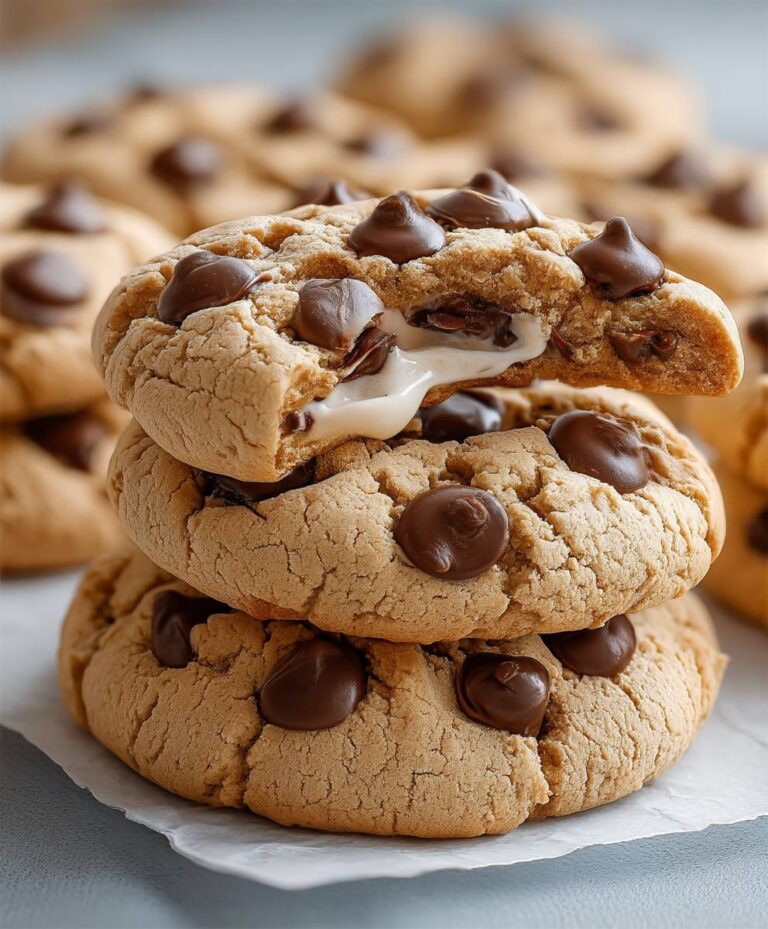
Protein Greek Yogurt Cookie Recipe: Soft, Chewy, and Packed with Gains!
Achieve ultimate gains with these soft, chewy protein cookies! Nonfat Greek yogurt ensures incredible tenderness, blending perfectly with vanilla protein and oat flour.
- Total Time: 35 minutes
- Yield: 4 servings
Ingredients
- Nonfat Plain Greek YogurtThis is the crucial moisture and protein provider, ensuring the final cookie is soft and tender, not dry.
- Vanilla Protein Powder (Plant-Based Protein Powder/Soy Protein Blend)Use a high-quality powder that you enjoy the taste of, as this heavily dictates the flavor profile and texture.
- Oat Flour or Almond FlourProvides the necessary bulk and structure without adding excessive simple carbohydrates; either finely ground oat flour or blanched almond flour works perfectly.
- Zero-Calorie Granulated SweetenerA erythritol or monk fruit blend helps maintain the structure and provides the sweetness without spiking blood sugar.
- Baking Soda and SaltThe baking soda helps with lift and tenderness, while salt enhances all the sweet flavors dramatically.
- Alcohol-Free Vanilla ExtractUse pure alcohol-free vanilla extract to deepen the flavor profile and provide a classic cookie aroma.
- Egg White or Flax Egg SubstituteActs as a primary binder, helping all the ingredients hold together during the mixing and baking process.
- Unsweetened Almond Milk (Optional)Use a tiny splash if the dough seems too thick, depending entirely on the brand of protein powder utilized.
Instructions
- Step 1: The Preheat and Prep
- Step 2: Combining the Dry Ingredients
- Step 3: Integrating the Yogurt and Wet Components
- Step 4: The Chill and Scoop
- Step 5: The Bake
- Step 6: Cool Down and Enjoy
Notes
- For maximum softness, store completely cooled cookies in an airtight container at room temperature for up to four days; if storing longer, freeze the cooled dough balls instead.
- To revive a day-old cookie's tender texture, microwave it on a napkin for just 8-10 seconds—avoid overheating, as this can quickly dry out the protein powder.
- Boost your post-workout snack by spreading a thin layer of sugar-free jam or melted dark chocolate chips mixed with a teaspoon of extra protein powder onto the cooled cookies.
- Always gauge the dough's texture after mixing; if it resembles thick peanut butter, resist adding the optional almond milk, but if it looks crumbly, add the milk one teaspoon at a time until just combined.
- Prep Time: 15 minutes
- Cook Time: 20 minutes
- Method: Stovetop
- Cuisine: American
Nutrition
- Serving Size: 1 large cookie (approx. 55g)
- Calories: 115
- Sodium: 105mg
- Fat: 5.0g
- Saturated Fat: 2.0g
- Unsaturated Fat: *(Note: %DV is typically not listed for Unsaturated Fat and Trans Fat on standard US labels.)*
- Trans Fat: 0.0g
- Protein: 1.5g



Leave a Comment